E. Coli outbreaks in 2020?

Escherichia coli is a gram negative bacteria that is commonly found in the gastrointestinal tract. This bacteria is part of humans normal microbiota, however certain strains that produce a toxin is what can lead to infection. Typically one will become infected after consuming contaminated food or water, most often caused by poor aseptic technique. E. coli produces a shiga toxin that damages the lining of the intestines. O157:H7 is a common strain of E. coli that causes individuals to grow very ill, it can even lead to acute kidney failure. Although many of us aren’t affected by E. coli in our daily lives, it still causes outbreaks every year.

Over the last few years, I have seen one too many times where romaine lettuce was recalled. There seems to be rounds of E. coli outbreaks that has infected romaine lettuce. An article posted on January 15, 2020 stated another round of romaine related E. coli outbreaks was over. Before the end of this outbreak, over 200 people were infected with strain O157:H7, many of them ending up in the hospital. The romaine lettuce linked to the recent outbreak was from California’s Salinas Valley. Fresh Express salad kits also contained contaminated romaine. The list can go on and on of brands and states that started E. coli infections. It is important health officials can trace back were the lettuce was purchased in order to stop the spread of infection. Irrigation systems might be to blame, poor aseptic technique, or numerous other reasons.

As I got home for spring break, it was only a matter of days before my break was extended and the coronavirus was all everyone was talking about. Soon school was put online, as many of you are aware, and you were advised to only go out when necessary. Well where I live in North Carolina, a city called Waxhaw, had an E. Coli outbreak in the water pipes right around the same time I was informed my break was extended and school was moved online. As if nothing else could go wrong. I couldn’t brush my teeth or shower with the normal water in the pipes. My sister and I helped each other use gallon water jugs to brush our teeth and wash our face, it was a hassle. My friends even cooked with bottled water which was interesting to see. All residents in Waxhaw and surrounding areas were put on a boil water advisory since the water was contaminated. The advisory notified residents to boil any tap water before consuming. It took about a week before it was safe to use the tap water again. Although many individuals don’t see cases of E. coli normally, some people like myself are seen to be affected at random times. It is important to keep up with what is going on in your town and to be aware of different diseases going around at certain points of the year.

Monoclonal Antibodys

Bezlotoxumab is a monoclonal antibody that helps neutralize the toxin made by Clostridium Difficile. This monoclonal antibody isn’t an antibiotic, so it must be used along with antibiotics to treat a patient infected with C. difficile. Monoclonal antibodies are man-made in labs created to imitate the immune system. They are used in patients with autoimmune disorders to attack the proteins affecting normal tissues. These antibodies were injected into mice vaccinated with different antigens they wished to create antibodies against. Each monoclonal antibody only binds to one specific antigen. Bezlotoxumab is just one of many FDA approved monoclonal antibodies.

Bezlotoxumab, also known as Zinplava, binds to toxin B of C. difficile antigens neutralizing its effects. It binds to an epitope on toxin B that is said to be in most strains of C. difficile and neutralizes the pro-inflammatory affects. Pro-inflammatory cytokines can be harmful to the patient, especially when an overwhelming infection is present. C. difficile has two lethal toxins, toxin A and B. They disrupt the structure of target cells and lead to cell death. Toxin B is believed to play a major role in the pathogenesis of this antigen. Bezlotoxumab prevents toxin B from interacting with host receptors, not allowing self cells to be infected. This antibody has shown to prevent damage to the gut wall and an inflammatory response from occurring. Patients may seek treatment with this monoclonal antibody to prevent the infection from reoccurring. It is often used in patients over 18 years old that are at a high risk for the infection to come back. The antibody is used with antibiotics to help treat C. difficile, an infection that can be life threatening.

Bezlotoxumab has numerous side affects, however not all of them may occur. They are warning signals to the consumer that if any of these signs and symptoms appear, they should seek medical attention as soon as possible. The side effects include: back pain, chest pain, chest tightness, chills, decreased urine output, dilated neck veins, extreme fatigue, fever, flushing, headache, irregular breathing, irregular heartbeat, nausea and vomiting, swelling of the face, fingers, feet or lower legs, tightness in the chest, troubled breathing, weakness, weight gain. Some of these side affects will not require medical attention and may go away once one’s body adjusts to the medication. Call your healthcare provider if any of the following side affects are continuous: bleeding, blistering, burning, coldness, discoloration of the skin, feeling of pressure, hives, infection, inflammation, itching, lumps, numbness, pain, rash, redness, scarring, soreness, stinging, swelling, tenderness, tingling, ulceration, or warmth at injection site. This antibody may cause worsening symptoms of C. difficile, including severe stomach pain and watery diarrhea. You must tell your doctor if you have congestive heart failure or have ever experienced heart failure in the past. The use of this antibody may make this condition worse. People with a history of congestive heart failure had a higher rate of heart failure and death.

C. difficile infections may be related to an inadequate immune response. The use of Bezlotoxumab enhances the immune responses. Inflammation that occurs when infected with C. difficile induces an innate immune response that starts an adaptive immune response to create memory cells. The quality of the humoral immune response is influential to a patient getting a C. difficile infection. The innate adaptive immune response is positively impacted since a patient already has antibodies against the antigen in their system.

Strep Throat

I am sure most of us have gotten strep throat at some point in our lives. Strep throat is commonly seen in younger children, ages ranging from 5 to 15. This infection is caused by streptococcus pyogenes, a gram positive coccus. There are multiple virulence factors allowing the bacteria to escape being destroyed by the immune system. Even with all these virulence factors, most individuals start feeling better after a week of taking antibiotics. Recent studies have started to show that strep throat may not be as easy to treat.

Penicillin is typically used to treat strep throat, getting children feeling better within a few days. New studies are raising concern that this bacteria is started to become resistant to penicillin and other beta lactam antibiotics. If this bacteria becomes fully resistant, there will be an extreme impact on tons of children. Certain tests show that strains have decreased susceptibility to beta lactam antibiotics, leading professional to believe antibiotics will become less effective in the future. One day these antibiotics may even be completely ineffective. Physicians would have to prescribe the next best option and often times the second best isn’t nearly as effective as the first. Taking antibiotics incorrectly or when not needed are reasons different bacterias are able to mutate and become resistant. You must take your medications at the right dose and for the full duration your physician has prescribed.

How can you tell if you have a sore throat, strep throat or a stomach bug? It is very difficult to determine if you have a sore throat or strep throat. You are less likely to have a fever with a sore throat, but you should go to your healthcare provider for the best course of treatment. A fever is present when you have strep throat because the immune system has found the invader and is trying to kill it. Having a fever usually indicates the invader is still present in your system and can be transmitted to others. This is why people are strongly encouraged to stay home when they have a fever, especially in schools. Children easily spread infections to each other either by direct contact or through fomites. I even notice this in college as students all appear to get sick around the same time. The immune system usually fights of an infection within a few days, but having a fever for more than five days may mean you need additional testing. People today may believe their immune system can fight off the illness without any help from antibiotics or antivirals. If strep throat, streptococcus pyogenes, continues to mutate and become increasingly resistant to antibiotics, someone who doesn’t seek treatment may end up with a chronic infection.

Antibody Responses

At this point everyone has heard and most likely been affected by COVID-19, but may not know about the antibodies specific for this virus. When someone gets a viral or bacterial infection, the body will immediately start creating an immune response. The body wants to get rid of the invader as quickly as possible before it takes over and causes too much damage. With coronavirus, IgM and IgG are the antibodies being generated by this virus.

IgM is the first antibody produced to fight of a new infection. Although this isn’t the greatest antibody, it is better than nothing and is quick to respond to new infections. IgG is generated and will replace IgM. Once a B cell is activated by a mature T helper cell, it will start to create tons of clones while also class switching and undergoing affinity maturation. All these clones will only make the antibody it is told to make from the original B cell. Class switching and affinity maturation allow the B cell to produce to best antibody to respond to the infection. With Coronavirus, this antibody appears to be IgG. If only IgM is present, the infection is new and hasn’t had enough time to class switch and undergo affinity maturation. If you have both IgM and IgG, the B cells are changing their antibodies and switching IgM with IgG. Primarily having IgG would mean you have been infected long enough for your B cells to switch their antibody response. High levels of IgG can mean you have a chronic infection.

Many labs are attempting to develop blood tests to identify if someone has been infected by the coronavirus. Currently there are two tests, a polymerase chain reaction (PCR) test and a serological test. The PCR test is looking for any of the viruses RNA genetic material. A nasal or throat swab is used and can determine if someone has an active infection. The serological test is a blood test trying to find any antibodies that have been produced against COVID-19. If antibodies are found, this is an indication that the individual has had the infection previously. The PCR test is more useful when it comes to diagnosing someone since it takes multiple days for antibodies to be produced. The serological test would be better to see whether someone had the virus in the past, even if they were asymptomatic.

Detecting if someone has produced antibodies against coronavirus, may help them return to work faster. The amount of time this immunity lasts is still unknown. Using the serological test may also help professionals start to determine the amount of asymptomatic carriers. The blood plasma of those who have recovered from COVID-19 can now be injected into others. The FDA has approved this as a temporary antiviral treatment. This treatment has been approved for individuals who have serious infections. Houston, New York and Seattle are already using this form of treatment. There is still additional research needed to be done, but antibody research seems to be leading us in the right direction.

COVID-19 Treatment

As COVID-19 continues to spread rapidly, countless individuals are attempting to create a vaccine or antiviral drug that will work. If you are like me, you can’t wait to get back to normal. With stores such as Walmart limiting the number of people who can enter at a time, this virus is only causing more restrictions. If you don’t need to go out, don’t. The only way to stop this rapid spread is to not come into contact with anyone who is asymptomatic or any fomites that have the virus on them. I am still working at a restaurant as they are seen as necessary and the fear of coming into contact with the virus only gets worse as weeks go by. I’m certain the same fear is in healthcare workers. Although antiviral drugs and vaccines at this point won’t stop the spread quickly, it is a step in the right direction to protect individuals that aren’t infected.

An antiviral drug called hydroxychloroquine is being tested on it’s effectiveness to treat COVID-19. This drug has been used to treat malaria. Antiviral activity against coronavirus has been shown using this drug. It has been suggested to pair this drug with prophylaxis at appropriate, approved doses to prevent coronavirus. Clinical trials using the two drugs have taken place in China, but there isn’t a large enough sample size to make any assumptions. There are plans to create a random controlled trial to accurately evaluate how efficient the antiviral drug is in anyone currently infected. Researchers are also looking at the prevention of secondary infections. I’ve heard this virus is suggested to come back in the fall so an antiviral drug that provides protection against a second infection would be beneficial. The main goal in all of these trials is to reduce transmission. This is the goal with social distancing and remaining 6 feet apart from others at all times. If anyone can find a way to reduce how quickly this disease is spreading, it will be treated as severely as the flu one day.

Japan is quickly testing drugs in hopes of treating coronavirus. They are hoping to find an existing drug. This may be the quickest option in treating this fast spread virus as creating a vaccine seems to take at least a year. One drug they are looking at is Avigan, an antiviral used to treat influenza. This team in Japan is trying to rapidly produce this antiviral drug, get it into clinical trials and into hospitals. It’s use has already been approved by the government, named an emergency measure to treat cases. Clinical trials is the step slowing down the process. They are expecting to finish their trials by the end of June. Currently they have no data supporting if Avigan is effective against COVID-19. Healthcare professionals can only work so fast. I am hopeful there will be some antiviral drug or vaccine created in the near future to help recurrent spread of this virus.

Dendritic Cell Therapy

Dendritic cells and T cells play a role in your immune response. Dendritic cells are antigen presenting cells, meaning an engulfed an invading organism has been broken up and the pieces are now being displayed on the dendritic cell’s outer membrane. Different T cells become activated depending on whether an MHC class 1 or 2 molecule is being presented on an antigen presenting cell. If an MHC class 1 molecule is present than cytotoxic T cells become activated, and if a MHC class 2 molecule is presented than helper T cells become activated. Both play an important role in the immune response. There are numerous advancements being made with T cell and dendritic cell therapy, many seeming to target tumors.

Enhancements to dendritic cells are being used as a treatment method for tumors. Personalized dendritic cell vaccines are being created to treat a large variety of tumors. Since dendritic cells are good at being antigen presenting cells and play critical roles in inducing both the innate and adaptive immune response, they can lead to inducing immunity against tumors. So far, this dendritic cell therapy hasn’t been successful at inducing the response researchers were hoping for. Recent data has suggested combining the dendritic cell based vaccine with other cancer therapies may fully activate the vaccine, improving patient survival. I am certain more research is currently underway and am looking forward to seeing what dendritic cell vaccines can do to help cancer patients in the future.

These dendritic cell vaccines are attempting to elicit cellular immunity. The goal in these vaccines is to effectively present cancer antigens to T cells. Since dendritic cells are great at being antigen presenting cells, the hope is that they will present cancerous antigens to T cells in order for the immune response to be activated against them. These vaccines are specifically being used in hopes to treat castration-resistant prostate cancer. Antigen loaded dendritic cells are being given to patients in order to induce tumor associated T cell responses. Different types of dendritic cells were tested and the outcomes look promising. Continuous research is needed in order to effectively present tumor antigens on T cells, but I am hopeful there will be more advancements to come.

My world today.

This past week has been full of change. I moved out of my apartment and have started online classes through an application called zoom. At first I was excited to get an extra week for spring break, getting to stay home and rest a little longer seemed nice. After moving out of my apartment I realized how real everything was getting. I didn’t think the rest of the semester would be online, maybe just a few weeks and then we would be back before finals. As the coronavirus continues to spread rapidly, the chances of this semester ending normally is zero percent in my opinion. My first struggle was finding the motivation to study and do my work at home. I am so used to coming home for a break, not having to do any school work until I return to Chapel Hill. I am still adjusting and trying to find a way to stay motivated. You would think having so much extra time would allow students to get work done ahead of time, but I continue to procrastinate and push everything off till the last day.

Another struggle is learning online. I have found my classes lectures to be less helpful and the teachers being flustered not knowing how to work zoom. It has only been one week, so everyone is still adjusting. Hopefully lectures will get better and feel somewhat normal in the coming weeks. Again, I just can’t focus at home. I placed a table in one of the spare bedrooms and am using that as my desk/ classroom space. Change is always hard to adjust to at first, but I don’t see myself feeling like I did when in an actual classroom. I am less focused and have found there are so many more distractions at home. Even when I close the door and my family is aware I am in class, there are so many noises outside and in my house. This is something I will adjust to and will have to deal with for the rest of the semester.

Overall I miss my friends and how my life was at school. I am on the all-girl competitive cheerleading team and am sad we only got to compete once before our season was abruptly ended. We have spent all year practicing three days a week and now won’t be able to showcase all our hard work we put into a routine. I miss my social life in general, now only seeing my family on a day to day basis has made me realize how many people I am used to seeing and interacting with daily. I am a social chair for my sorority and have been struggling to push off events and get money back due to these unforeseen circumstances. This organization is still struggling to come up with ways to stay connected with everyone, as having a zoom call with over 100 people would be very chaotic. I am sure many students miss how life used to be at school, but I am hopeful we will be back in August ready for a great, fresh start.

10 Hilarious Coronavirus Memes That Hit Too Close to Home ...

Covid-19

Covid-19 seemed to rapidly grow overnight. One day I was coming home for spring break and the next day I am going to Chapel Hill to pack up my apartment. My school along with countless others have moved classes online and have cancelled all sporting events. I was sad at first hearing the news that I might not be able to go to Daytona Beach for a cheerleading competition, but am now seeing the growing concern this virus has. My microbiology teacher has been talking about the coronavirus since the beginning of this semester. She even repeated the need to wash your hands for at least 20 seconds and to stop touching your face, these now being tips spread across the news to stop the coronavirus. It is hard to not be concerned, especially when everything seems to be getting shut down. Going to the store and seeing a lot of shelves completely bare is insane. I didn’t expect anything else in my area though, these people run to the store when hearing news about anything. It’s just crazy to see the impact a novel virus has on a community first hand, instead of just hearing about epidemics and pandemics in a textbook.

Covid-19 was first identified in China, but has been spread across the world as many of us are aware of. Online and television broadcasters continue to emphasis the importance of washing your hands frequently for at least 20 seconds, avoid touching your face, avoid coming in close contact with sick people, and to not go into crowded spaces. It is hard not to hear about this virus at the moment. This strain is spread through the air or direct contact. Coughing or sneezing can put infected particles into the air or touching and shaking hands with an infected individual and then rubbing your face. Many infections such as the common cold are also spread this way. It’s only because there isn’t a ton of research done on this coronavirus strain that causes a higher severity and need for public knowledge. Symptoms can appear anywhere between 2 to 14 days. Someone can be infectious for 2 weeks before developing any symptoms, believing they are healthy and don’t need to be isolated. This is why it’s difficult to keep this disease confined, people simply don’t know right away that they are sick and will continue to come in contact with people. Practice good hygiene and keep up to date on the daily news about this virus in order to adequately protect yourself.

As of March 14, there have been two confirmed cases of covid-19 in Mecklenburg County. This county is a mere ten minutes from my home. The second person that tested positive was said to have returned from the United Kingdom and is now in isolation at home. There is no evidence of the disease being spread in this community at this time, however this is constantly evolving. One day there are only a handful of cases and the next over twenty people have been tested positive across the United States. North Carolina is among many to declare a state of emergency allowing Mecklenburg county and all other counties access to state and federal funds to help fight this pandemic. Many people have growing concerns as to how they would know if they are at an increased risk. This is the case if you have traveled outside the country and are experiencing symptoms, feel sick, have a fever, cough, or have difficulty breathing. Being exposed or living with someone who has tested positive for this virus means you need to be placed in isolation. This is to protect yourself and everyone around you. This virus needs to be contained and the only way for this to happen is for those infected to be isolated and healthy individuals to practice good hygiene and remain in less congested areas when they can.

Sexually Transmitted Diseases

Sexually transmitted diseases (STDs) are nothing to joke around with. Younger people today, ages ranging from 19-22, are most at risk for contracting a STD. This is alarming since this includes all undergraduate students in college. Many individuals today are naive believing there’s no way they would get a sexual disease. All of their friends are safe, right? The harsh truth is not necessarily. Not even condoms are 100% protective against sexually transmitted diseases since lesions on the genitalia may not be covered by a condom. The only answer to completely be safe is to practice abstinence. However, younger people especially are having sex, so it’s best to practice safe sex than scold your child on remaining a virgin forever. It is safe to have one partner, knowing they have been tested negative for any sexual diseases. The use of condoms helps protect against STDs and pregnancy. Making logical decisions will help anyone when it comes to sex.

STDs have been rising throughout the years. Gonorrhea is one of the more commonly reported sexually transmitted infections. It has become a greater threat due to it’s increasing ability to become resistant to antimicrobial medications. Gonorrhea grows in the cervix, fallopian tubes, and other parts of the genital tract leading to pain and inflammation. Gonorrhea has increased 126% from 2007 to 2018, behind Chlamydia which increased 149%. These numbers are very disturbing and should raise alarm in anyone how is sexually active. There was also a shift towards males, seen more drastically with gonorrhea. This shift starting to occur around 2013. Due to the increasing threat of this disease, combination therapy must be administered. Prevention depends on the individual, whether they are abstinent, have monogamous relationships, and use condoms correctly. There is no current vaccine to help prevent the disease.

Human Papillomavirus (HPV) is another common sexually transmitted infection. Some strains are known to cause warts of both the external and internal genitalia while others may cause lesions. Lesions of mucosal surfaces along the cervix are a major cause leading to cervical cancer. There is a vaccine, Gardasil 9, available to help protect against HPV 16 and 18, responsible for around 70% of cancers according to my microbiology textbook. A single dose of the HPV vaccine has been shown to work as well as the multiple doses to protect teen girls. The risk of preinvasive cervical disease was 36% lower in individuals given one dose, 28% lower given two dose, and 34% lower after being given three doses. Parents need to educate themselves on this disease, along with many others, to see how high of a need their is for them to vaccinate their children. Getting the HPV vaccine, even one dose, will have an impact on a child and provide long-term protection against cervical cancer. If there is a vaccination available there should be no reason to not give them to your child, providing any type of protection.

Life or Death…

I’m sure many people have been given an antibiotic to treat their signs and symptoms, but how often are we taking antibiotics when we shouldn’t be? In my opinion, we are taking way too many antibiotics. When I went to urgent care for a second time I already knew what they were going to prescribe me. Amoxicillin. I didn’t know whether I had a bacterial or viral infection and I am sure the physicians there just wanted to prescribe me something and get me out of there. I could be wrong, but many urgent cares get countless walk-ins a day and are trying to rapidly treat their patients. I’m sure they wanted to help me get better, but I don’t think they took the time necessary to actually determine what I had been infected with. The overuse of antibiotics has become an increasingly prevalent problem. If you take antibiotics for a virus, for one this won’t help you get better and secondly, your body will start to recognize the antibiotic and grow immune to it. This will eventually stop antibiotics from working completely. Even someone who doesn’t take their prescription when they are supposed to is leading their body to become resistant to antibiotics. I am at fault for not taking my pills properly, but knowing this information has been a wake up call. I don’t want to wake up one day and not be able to fight of a bacterial infection that could be treated.

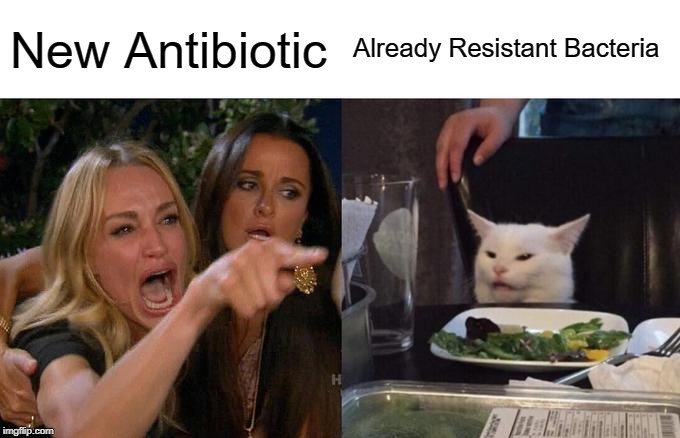
Superbugs are a huge issue in the health field today. I never heard of the term superbug before, but I’m sure it would raise suspicions and a sense of fear. Many people probably don’t like the idea of a superbug roaming around. A superbug is a bacterial strain that has become completely resistant to antibiotics. It is very difficult for health professionals to treat a bacterial infection if no antibiotics are capable of helping. A CNN health article I came across is titled “Every 15 minutes, someone in the US dies of drug-resistant superbugs.” If this doesn’t create a sense of fear I don’t know what will. This is roughly 35,000 deaths per year from superbugs that may have been preventable. Germs are outsmarting humans. There has been genetic research proving that germs have become very good at teaching one another how to get around antibiotics. Superbugs can affect everyone, not just immunocompromised and elderly people although they have an even higher risk. One disease I have learned about in class is Clostridioides difficile which is primarily caused by the improper use of antibiotics. This disease has become one of the deadliest antibiotic-resistant bacteria. Some may believe they just have a stomach bug causing diarrhea, but in reality it is much worse. Taking antibiotics puts you at higher risk for contracting this infection, killing off both good and bad bacteria while trying to fight it off. Not to say you shouldn’t take antibiotics when you are sick, you should just be practicing good habits while using them. This means taking them at the right time and quantity each day, not stopping them when you start to feel better, etc. Also make sure you are taking them when necessary. Question your doctor the next time they want to prescribe you an antibiotic to make sure it is absolutely necessary.

Antibiotic-resistant bacteria cause over 2.8 million infections and 35,000 deaths each year in the United States. This is very alarming to me. These numbers have just been increasing every year, even doubling from the original report in 2013. There has been some progress in attempting to out smart the bacteria, but a lot more needs to be done quickly. These bacteria are changing so rapidly that they become superbugs before anyone can find the correct treatment. For example, there is methicillin resistant Staphylococcus aureus (MRSA) and CRE found in healthcare facilities causing over 85% of total deaths in the CDC report. Just two antibiotic-resistant organisms are causing 85% of deaths… there is something very wrong. There are still organisms on the rise to become completely resistant, such as Neisseria gonorrhoeae. I would like to be able to treat a patient that has gonorrhoeae or any other bacterial infection in the future, but the chances of healthcare professionals being able to help these patients is becoming low. These two articles alone have opened my eyes to the extreme issue of the use of antibiotics. I will continue to use antibiotics when needed, however I will become more aware while at the doctor’s office and make sure this is the correct course of treatment. I am in no way trying to persuade anyone from not seeking treatment when you feel sick. This is just a wake up call to those that don’t properly use antibiotics, including myself as I struggle to take my prescriptions per the doctors orders.

Image result for antibiotic resistance meme